

The NV-HSV Engineering UI
The NV-HSV Engineering UI – One Engineering Platform from Bring-Up to Field Service
Introduction
In our previous article, I introduced the NV-HSC (Non-Volatile Hardware System Controller) and the philosophy behind implementing deterministic system-management functions in FPGA hardware.
Hardware, however, is only one part of the solution.
To make those capabilities practical and accessible during everyday engineering work, we developed the NV-HSV Engineering UI—a unified engineering environment designed to accompany a product from its first power-up through manufacturing and long-term field service.
Why We Developed the NV-HSV Engineering UI
During more than two decades of FPGA, ASIC, hardware and embedded-system development, I found myself solving the same engineering challenge over and over again.
Every new project seemed to introduce another utility.
One utility configured digital power supplies.
Another programmed Flash devices.
Another programmed EEPROMs.
Another accessed FPGA registers.
Another monitored board status.
Another supported manufacturing.
Years later, yet another tool was needed by field service.
Individually, every utility solved its own problem.
Collectively, however, they made the engineering workflow unnecessarily fragmented.
As an FPGA and hardware designer, I wanted to spend my time solving engineering problems—not searching for the right utility or writing temporary software simply to access the hardware.
Eventually I began asking myself a simple question:
Can one engineering platform provide engineers with a simple, intuitive and powerful interface to the hardware throughout the entire product lifecycle?
That question became one of the driving ideas behind the NV-HSV Engineering UI.
Scenario 1 – The First Power-Up
For many hardware engineers, this is one of the most exciting—and sometimes stressful—moments in a project.
The first assembled PCB finally arrives from manufacturing.
Before application software is available—and often before the FPGA design is completely finished—the engineering team needs to answer one fundamental question:
Is the hardware healthy?
Can every power rail be monitored?
Is the power sequence correct?
Can PMBus devices be configured?
Can FPGA registers be accessed?
Are temperatures normal?
Is communication established?
Instead of opening several independent utilities, the engineer opens the NV-HSV Engineering UI.
From one engineering environment it is possible to:
• Verify complete power sequencing.
• Configure, program and calibrate PMBus power controllers.
• Monitor voltages, currents and temperatures.
• Read FPGA registers and memories.
• Bring up SoC / FPGA platforms.
• Communicate through UART or Ethernet.
• Capture engineering information for analysis.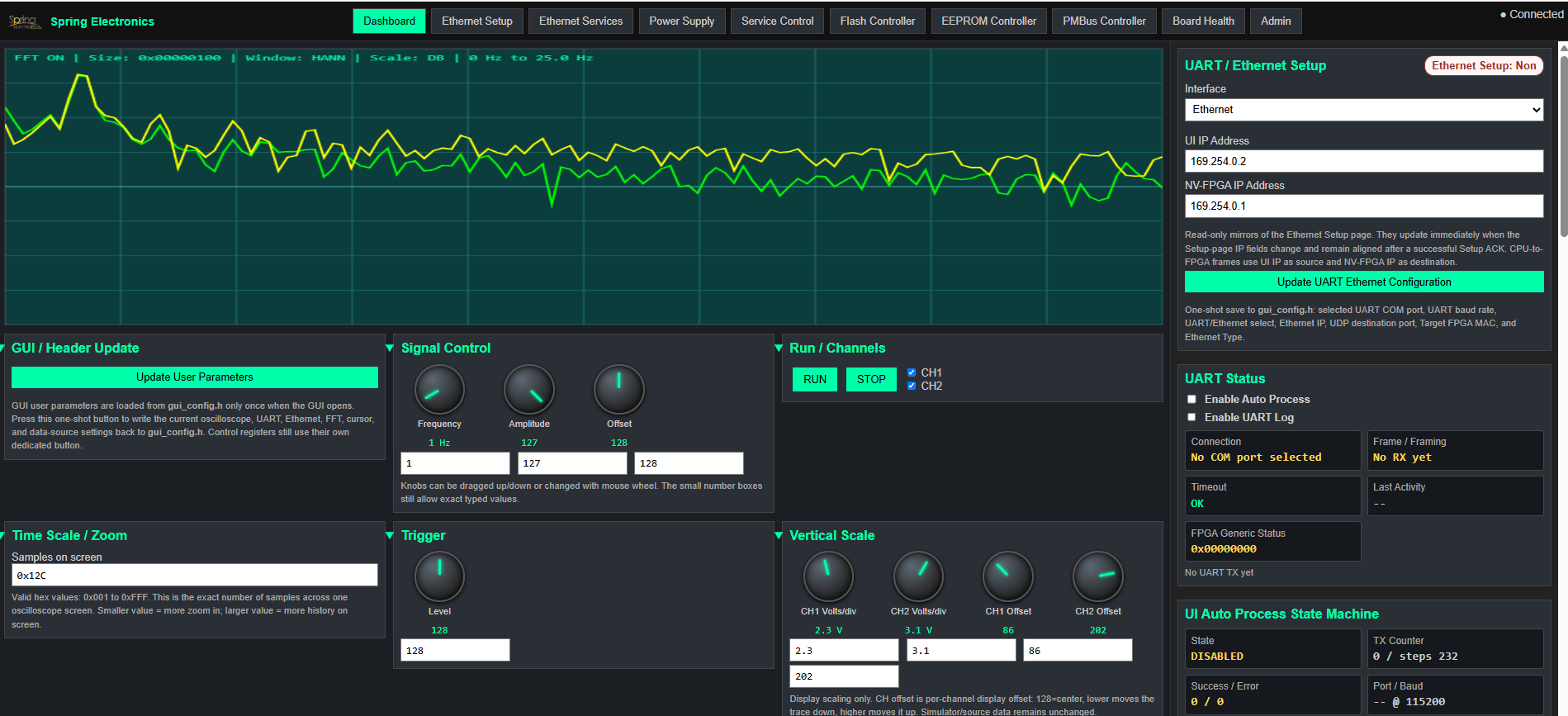
Figure 1: UI Dashboard
Scenario 2 – FPGA Development
As FPGA development progresses, the interaction between hardware and software becomes increasingly dynamic.
Rather than writing temporary debug firmware simply to inspect registers or exercise peripherals, the NV-HSV Engineering UI already provides many of the engineering functions required during daily development.
Typical activities include:
• Register and Memory Read/Write.
• Peripheral control.
• Fan control.
• LCD monitoring.
• Real-time observation of board resources.
• Export APIs to RT Embedded and operating-system applications.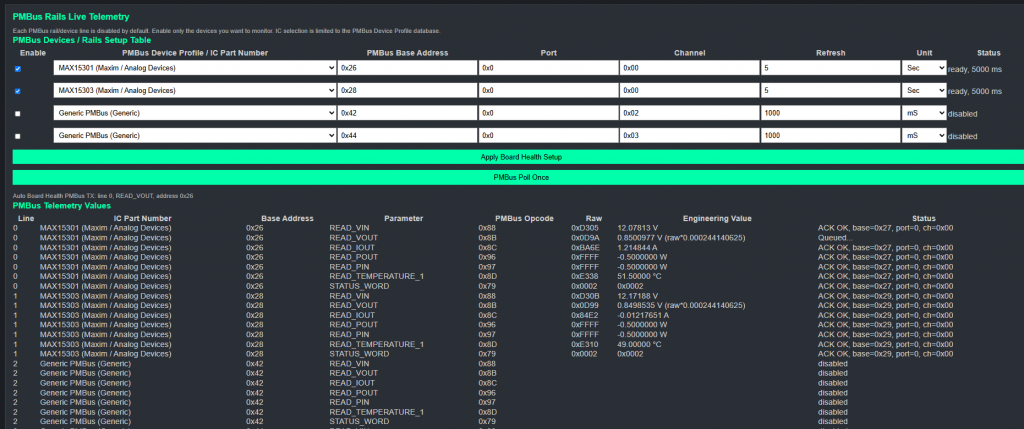
Figure 2: PmBus Auto Task – Periodic Read
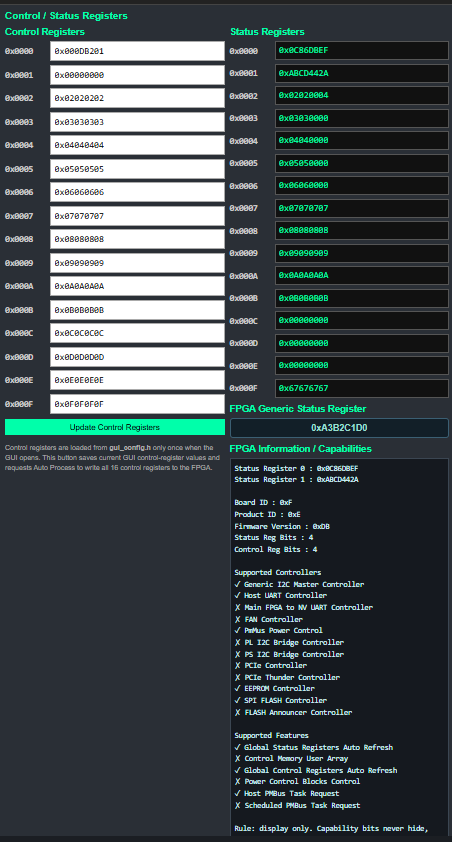
Figure 3: Control Status and System Capability
Scenario 3 – Manufacturing
When development is complete, the same engineering environment naturally continues into manufacturing.
There is no need to introduce a completely different software workflow.
Production engineers can use the same familiar platform to:
• Program Flash devices.
• Program and verify EEPROM devices.
• Calibrate and program PMBus-controlled power supplies.
• Execute production diagnostics.
• Reuse engineering validation procedures.
Future roadmap:
• Integrated Basic IEEE 1149.1 (JTAG Boundary Scan) tests (currently under evaluation).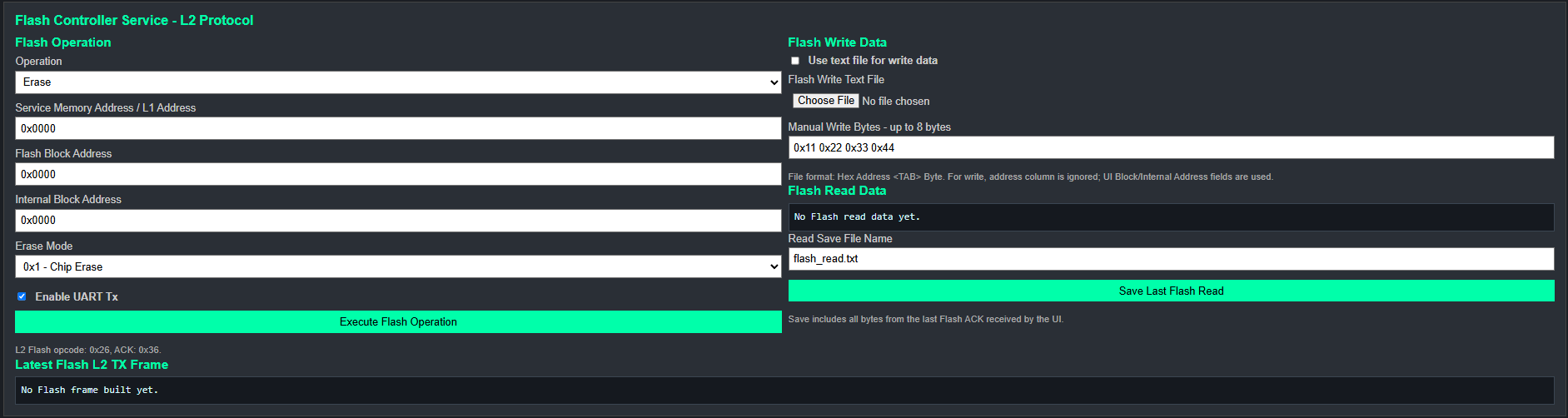
Figure 4: Integrated Flash Programming
Scenario 4 – Field Service
Years after shipment, the same engineering environment continues to provide value.
Service engineers can connect to the product using familiar tools to:
• Read firmware versions.
• Monitor board health.
• Review voltages, currents and temperatures.
• Inspect hardware status.
• Diagnose field issues quickly.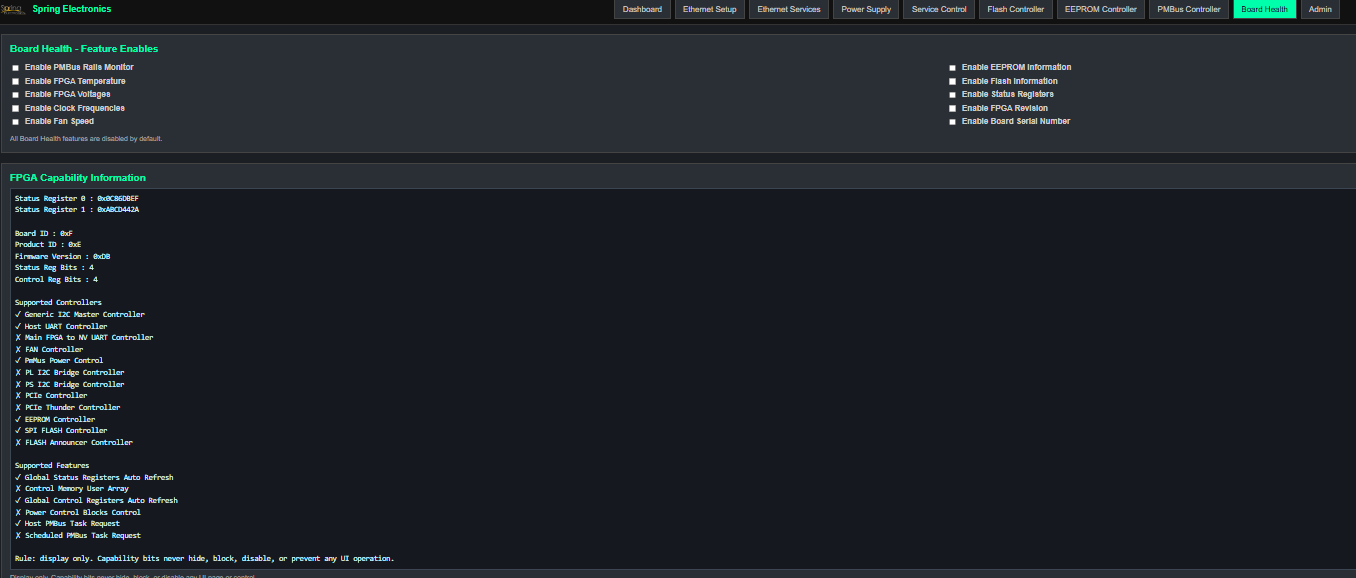
Figure 5: System Automatic Status Monitors
Looking Ahead
Development of the NV-HSV Engineering UI continues.
One capability currently under evaluation is the integration of basic IEEE 1149.1 (JTAG Boundary Scan) support. The objective is not to replace dedicated commercial Boundary Scan platforms, but to integrate practical JTAG infrastructure and basic interconnect testing into the existing engineering workflow, extending the platform into hardware bring-up and manufacturing validation.
Closing Thoughts
Engineering productivity is not determined only by FPGA performance, processor speed or hardware architecture.
It is also determined by the quality of the engineering environment surrounding the hardware. When I started thinking about NV-HSV, my goal was not to build another engineering utility. My goal was to simplify the daily workflow of hardware engineers by providing one environment that remains useful from the first power-up through FPGA development, manufacturing and field service.
Our objective with the NV-HSV Engineering UI is to provide one consistent engineering platform that follows a product throughout its entire lifecycle.
This article is another step in sharing that journey. In future articles, I’ll discuss individual technologies, engineering challenges and the roadmap that continues to shape the NV-HSV platform.
Let’s Discuss
How many different software tools does your engineering team typically use during:
• Hardware bring-up
• FPGA validation
• Manufacturing
• Field diagnostics
Could these activities be simplified by a single engineering platform—and made accessible to all engineering disciplines?
I’d genuinely be interested to hear how other engineering teams approach these challenges and which capabilities they consider most valuable.
#FPGA #ASIC #HardwareDesign #EmbeddedSystems #PMBus #Engineering #Manufacturing #Diagnostics #SpringElectronics #NVHSC
